Structural Steel Sections: Critical Issues During Import & Export Transportation
 By
/ 2026-10-20
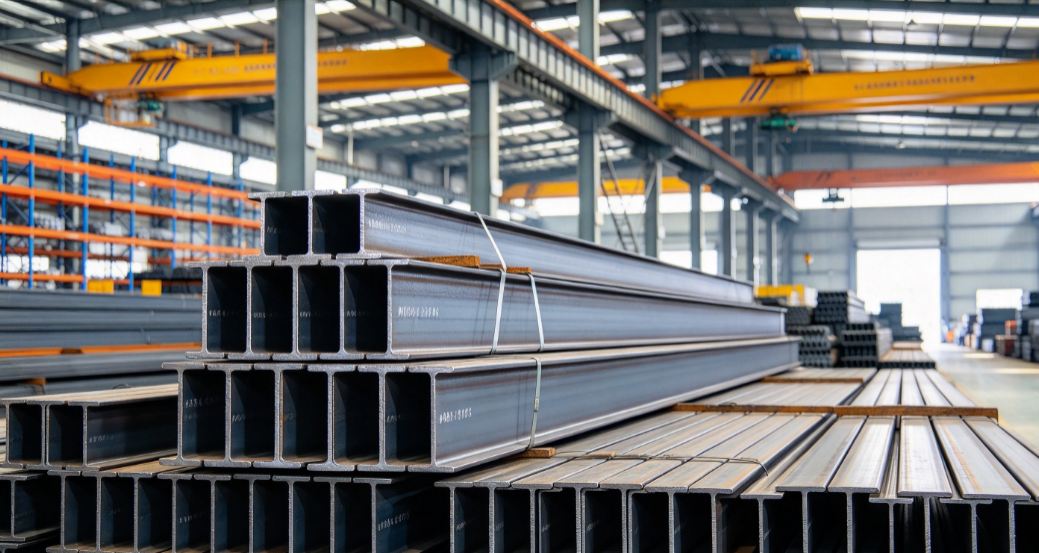
Structural steel sections (I-beam, angle steel, channel steel, H-beam) are heavy, long and prone to surface scratches, rust and deformation. Improper packing, loading or documentation during international shipping will cause product damage, customs detention, extra demurrage and financial losses.
This article covers the core points for cross-border transportation of steel sections, including anti-rust treatment, packing, loading, marking, container/breakbulk selection, documents and risk control.
1. Rust & Surface Protection (Most Common Issue)
Steel is easily oxidized during long ocean transit, especially in humid sea container environment.
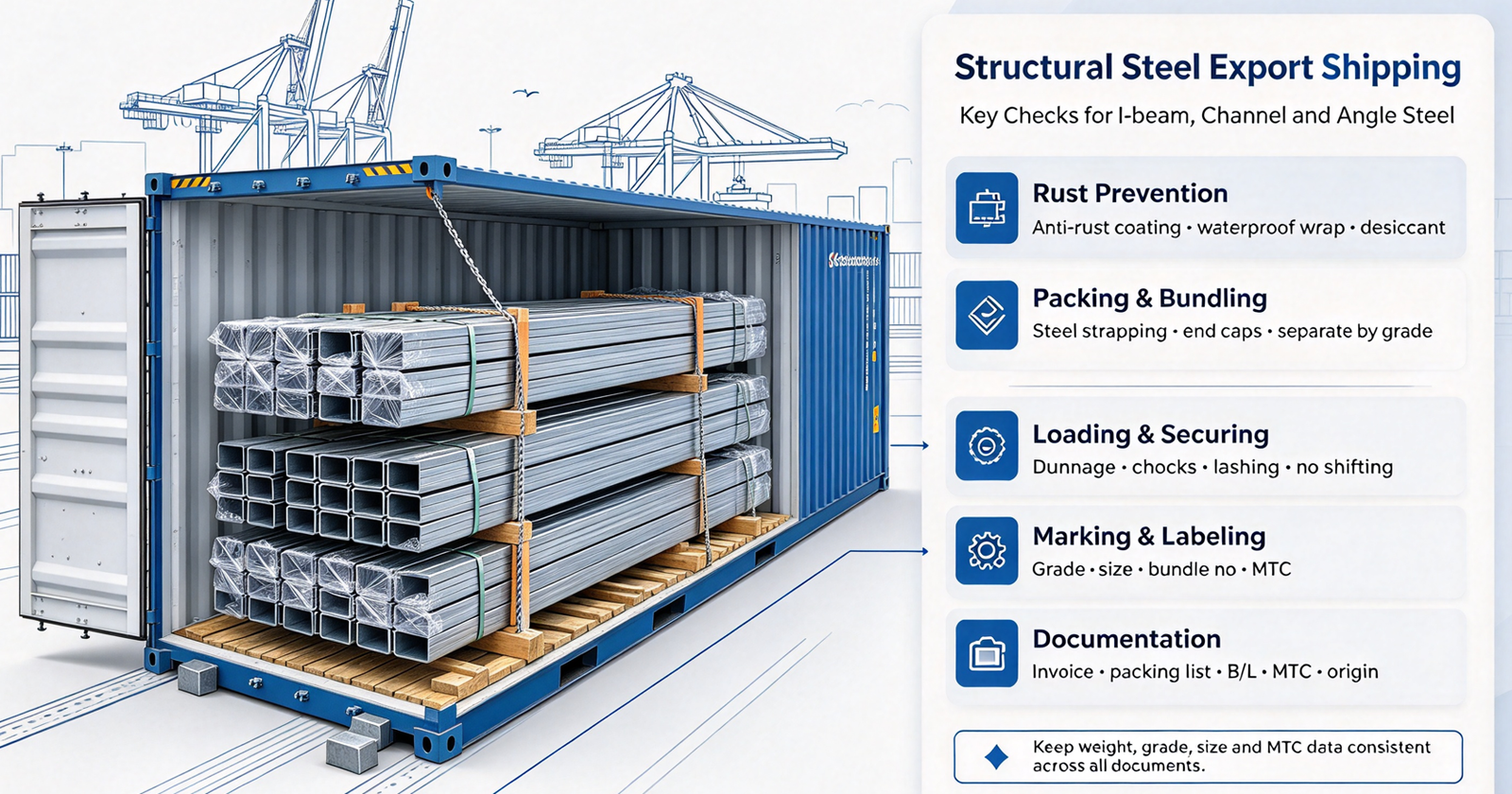
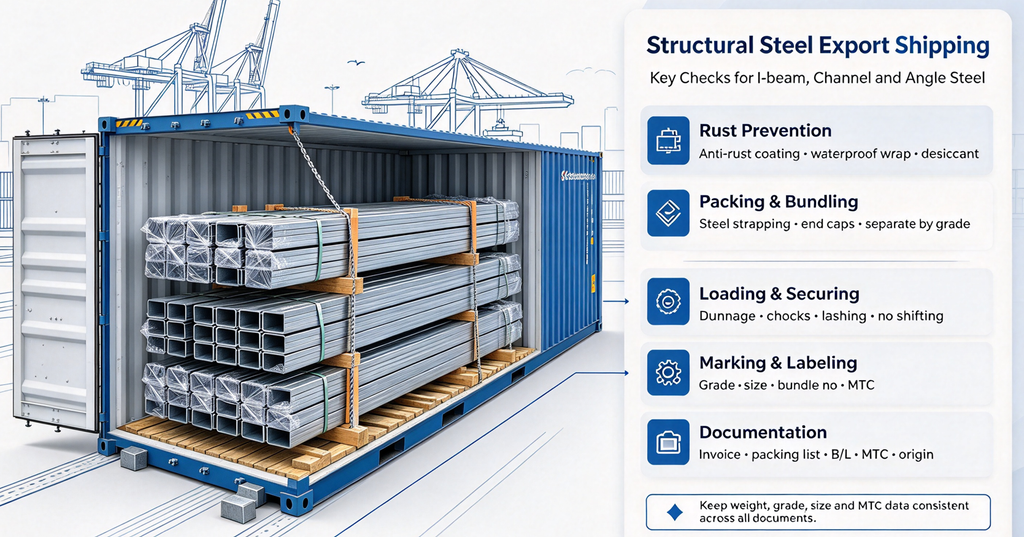
- Anti-rust treatment: Apply temporary anti-rust oil / anti-rust coating for high-spec orders; for common carbon steel, use waterproof plastic wrap + desiccant inside bundles.
- Avoid direct contact: Separate steel surfaces with protective spacers, prevent scratch marks during shaking.
- Note: Anti-rust measures are temporary, only for sea transit, not long-term storage. High humidity destinations (Southeast Asia, coastal Africa) require stronger protection.
2. Packing & Bundling Standard
Steel sections are bundled for easy handling and avoid loose shifting:
- Bundle strapping: Use high-tensile steel strapping, fixed at multiple positions. Each bundle weight controlled for forklift handling (usually 2–5 tons per bundle).
- Bundle end protection: Hard plastic or metal end caps to prevent sharp section ends from tearing wrapping or puncturing container liners.
- Classify by size & grade: Do not mix different specifications, grades or standards in one bundle. Each bundle is one specification.
For thin small angle steel: full wrapping with waterproof woven cloth. For heavy I-beam / H-beam: bundle fixing only, full wrapping is not mandatory but recommended for surface-sensitive orders.
3. Loading & Cargo Securing (Prevent Shifting & Deformation)
Two main shipping modes: Containerized FCL and Breakbulk / Bulk Vessel
FCL Container
- Length limitation: Standard 20GP/40GP inner length limits the maximum length of steel sections. Long beams often use 40HQ, or cut to fit container length.
- Weight limit: Pay attention to container payload limit, avoid overloading (common overweight penalty risk).
- Blocking & bracing: Use wooden dunnage, steel chocks and lashing belts to lock bundles firmly. Steel sliding inside container is the top cause of cargo damage.
- Bottom cushion: Place timber skids under steel bundles to avoid direct contact with container floor, prevent moisture and easy forklift unloading.
Breakbulk shipment (for extra long heavy sections)
- Stowage planning: Stacked on vessel deck with proper support points, avoid bending deformation.
- Separate different steel grades to avoid mixing.
4. Marking & Labeling
Clear marking is essential for customs inspection and receiver warehouse identification:
- Each bundle mark: Steel grade, standard, size, bundle No., gross weight, net weight, country of origin, heat number
- Marking method: Paint marking on steel surface or metal tags fixed on bundle. Must be durable, not washed off by seawater spray.
- Important: Marking must match the Mill Test Certificate (MTC) data, inconsistency will trigger customs inspection.
5. Documentation for Customs Clearance
Documents must be consistent, mismatched data will lead to customs hold:
- Commercial Invoice
- Packing List
- Bill of Lading
- Mill Test Certificate (MTC) — critical for steel section import inspection
- Certificate of Origin (for tariff preference)
- Additional: CE certificate (EU), test reports as per project standard (ASTM / JIS etc.)
Key check: weight, quantity, steel grade, standard on all documents must be identical.
6. Shipping Mode Selection
- FCL Container: Best for regular-length I-beam, angle, channel steel. Lower risk of damage, easier tracking.
- Breakbulk: For over-length steel beams that cannot fit into containers. Cheaper for large volume, but higher risk of scratches and rust.
- LCL Less than Container Load: Not recommended for steel sections. Easy to be crushed by other heavy cargo, high risk of damage.
7. Risk & Insurance
- Cargo insurance: Purchase marine cargo insurance covering rust, bending, breakage during sea transit. Basic ICC(C) or ICC(A) based on client requirement.
- Pre-loading inspection: Third-party survey before loading, record photos and videos of packing, marking and stowage. Useful for claim disputes.
8. Destination Warehouse & Unloading Reminder
Notify buyer:
- Use proper forklift or crane with spreader for unloading; avoid dropping steel bundles.
- Unload and store under dry covered warehouse immediately after arrival to prevent secondary rust.
- Check bundle marks, MTC and visual inspection before signing off delivery.
Conclusion
For structural steel export, transportation risk comes mainly from rust, shifting deformation, marking/document mismatch and improper loading. Standard bundling, anti-rust protection, secure lashing and consistent documents are the key to smooth delivery.
If you are sourcing I-beam, angle steel or channel steel, we provide professional packing, marking and full set MTC documents for sea shipment. Contact us for logistics advice.